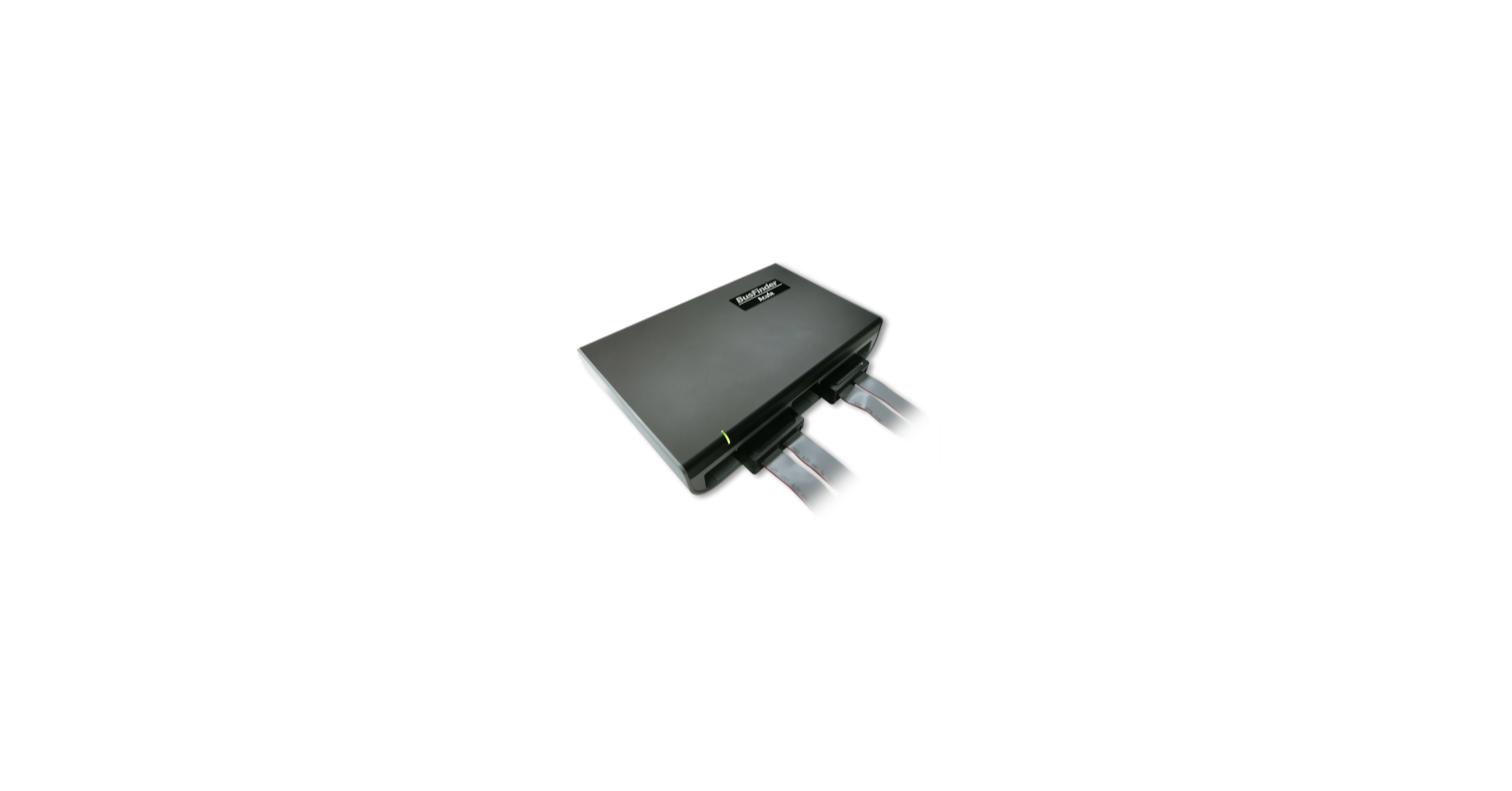
BusFinder BF7264 Pro Protocol Analyzer
Description
Acute's flagship protocol analyzer — 64 channels, 4GHz timing, high-speed serial options
BusFinder sits above the TravelLogic and LA4000 lines as Acute's dedicated protocol analysis platform — same deep-memory capture engine, but built out with option modules for the high-speed serial standards a general-purpose logic analyzer doesn't reach on its own, MIPI D-PHY and UFS2.1 among them. It's the successor to the BF7264B/B+, which Acute has retired in favor of the Pro.
Why engineers reach for it
- 64 channels at 4GHz timing / 400MHz state analysis with 32Gb of capture memory — the same capture engine class as Acute's LA4000, positioned specifically for protocol-layer analysis rather than general-purpose channel counting
- Protocol option modules extend it beyond the standard decode library into high-speed serial standards — MIPI D-PHY and UFS2.1 are both available as options, where a general logic analyzer would need external de-serialization hardware first
- 1Gb record length gives enough headroom to capture a full protocol transaction sequence — enumeration, negotiation, bulk transfer — in one pass instead of stitching several short captures together
- Directly replaces the retired BF7264B/B+ at roughly 1.7x the timing resolution and state analysis speed
Where it earns its keep
- Interoperability and compliance debug on high-speed serial links (MIPI camera/display interfaces, storage buses) where the protocol layer, not just the electrical layer, is where the bug lives
- Root-causing intermittent link-training or negotiation failures that only show up over long, uninterrupted captures
- Teams already standardized on Acute's decode library who need protocol coverage a general-purpose logic analyzer doesn't offer out of the box
Specifications
| Spec | BF7264 Pro |
|---|
| Channels | 64 |
| Total memory | 32 Gb |
| Timing analysis | 4 GHz |
| State analysis | 400 MHz |
| Record length | 1 Gb |
| Protocol options | MIPI D-PHY, UFS2.1, and additional modules available |
Ask us which protocol option module matches the interface you're debugging — coverage varies by standard and revision.